
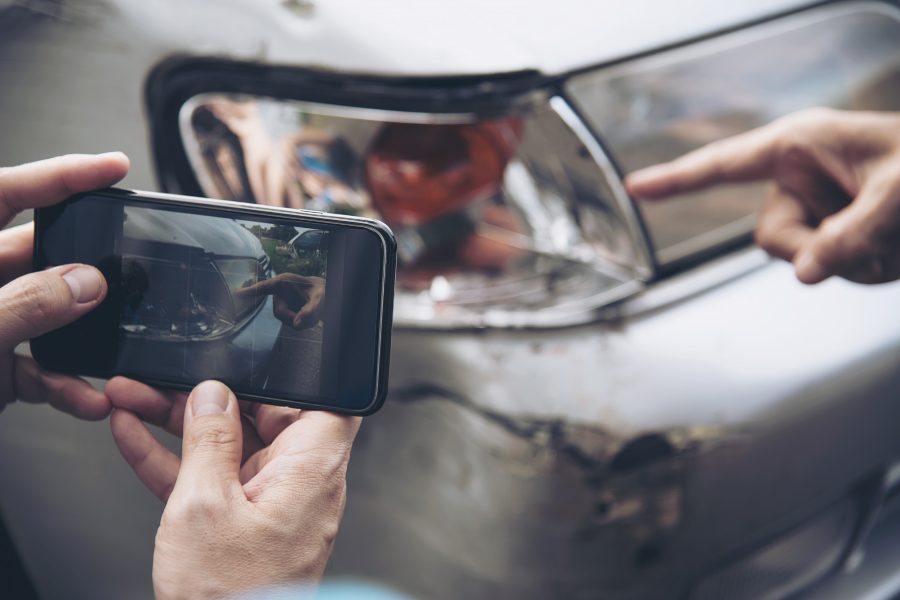
A low-speed bump in a car park might leave nothing more than a scratched bumper. Once the cosmetic damage is repaired, it can feel like the car should be completely back to normal. On newer vehicles, though, there may be more happening behind that bumper than you can see.
Modern cars can use cameras, radar units and other sensors to support features such as automatic emergency braking, adaptive cruise control and lane assistance. An impact or certain repairs can sometimes affect their position or operation, which is why procedures such as adas calibrations may be required in particular circumstances after collision repairs or component replacement.
That doesn’t mean every minor accident will damage a sensor or require additional work. The important thing is understanding that visible damage isn’t always a reliable guide to what’s happened to the vehicle’s driver-assistance systems.
Your Bumper May Be Hiding Technology
A bumper looks like a relatively simple piece of bodywork, but some vehicles have radar units or other equipment positioned behind or around it.
Cameras may also be mounted near the top of the windscreen, while other sensors can be located around the vehicle.
These components need to collect information accurately for the systems that rely on them.
A sensor doesn’t necessarily need to be smashed to create a problem. Depending on the vehicle and system, changes to its mounting position or alignment may affect how it interprets the environment.
That’s why repair requirements should be based on the manufacturer’s procedures rather than assumptions about how minor an accident looked.
Small Changes Can Matter
Imagine pointing a torch at an object across a room. Move your hand slightly and the beam lands somewhere different.
Vehicle sensors are much more sophisticated, but the example illustrates why positioning can matter.
If a camera or radar unit is designed to operate within particular alignment specifications, even relatively small changes may affect where it’s looking or how its information is interpreted.
The vehicle may still appear perfectly straight from the outside.
This is one reason collision repair isn’t always limited to replacing damaged panels and matching the paint.
Repairs Themselves Can Trigger Additional Requirements
The accident isn’t the only thing that may affect driver-assistance equipment.
Sometimes the repair process involves removing or replacing components connected with these systems. Depending on the vehicle, work involving the windscreen, bumper, grille, suspension or wheel alignment may lead to manufacturer-specified checks or calibration procedures.
For example, replacing a windscreen containing a forward-facing camera may require additional steps before associated systems are considered ready for normal operation.
Requirements vary significantly between manufacturers and models, so there isn’t one universal rule for every car.
Wouldn’t the Dashboard Warn You?
Sometimes a vehicle will display a warning when it detects a fault.
You may see a dashboard message indicating that a particular driver-assistance feature is unavailable or needs attention.
However, drivers shouldn’t rely entirely on the absence of a warning light to decide that everything is correctly aligned.
A system may not necessarily identify every type of positioning issue in a way that’s immediately obvious to the driver.
If the manufacturer specifies an inspection, diagnostic check or calibration after particular repairs, that procedure shouldn’t be skipped simply because no warning has appeared.
What Does Calibration Actually Do?
Calibration is intended to ensure relevant sensors or cameras are positioned and operating according to the vehicle manufacturer’s specifications.
The exact process depends on the system.
Some procedures are performed in a controlled workshop environment using targets positioned at specified distances and angles. Others can involve driving the vehicle under particular road conditions while diagnostic equipment communicates with the system. Certain vehicles may require a combination of procedures.
This isn’t something that should be guessed.
Technicians need the appropriate information, equipment and conditions for the particular vehicle they’re working on.
Which Features Could Be Connected?
The technology varies between cars, but modern driver-assistance systems can support features including:
- Automatic emergency braking
- Forward collision warnings
- Adaptive cruise control
- Lane departure warnings
- Lane-keeping assistance
- Blind-spot monitoring
- Parking assistance
- Traffic sign recognition
Not every vehicle has all of these features, and different manufacturers may use different combinations of cameras, radar and other sensors.
Your owner’s manual can help you understand which systems your vehicle has, although repair procedures may require more detailed manufacturer information.
What Should You Ask After an Accident?
If your vehicle has driver-assistance technology, don’t be afraid to ask the repairer how those systems are being addressed.
Useful questions include:
- Were any cameras or sensors affected by the impact?
- Were sensor mounting points inspected?
- Were components near the sensors removed or replaced?
- Does the manufacturer specify calibration after this repair?
- Were diagnostic fault codes checked?
- Will I receive documentation for any calibration performed?
A professional repairer should be able to explain what applies to your particular vehicle rather than giving a generic answer.
Don’t Judge the Repair by Appearance Alone
Getting your car back with straight panels and fresh paint is reassuring, but appearance is only one part of repairing a modern vehicle.
Cars increasingly depend on electronic systems that drivers rarely see until a warning appears or a feature activates. When those systems rely on precisely positioned cameras or sensors, their condition deserves attention after an accident too.
If you’ve had a collision, even a seemingly minor one, tell the repairer about any warnings or unusual behaviour you’ve noticed. More importantly, make sure the repair process takes account of the manufacturer’s requirements for your specific model.
A bumper that looks perfect again is good. Knowing the technology behind it has also been checked appropriately is better.
