
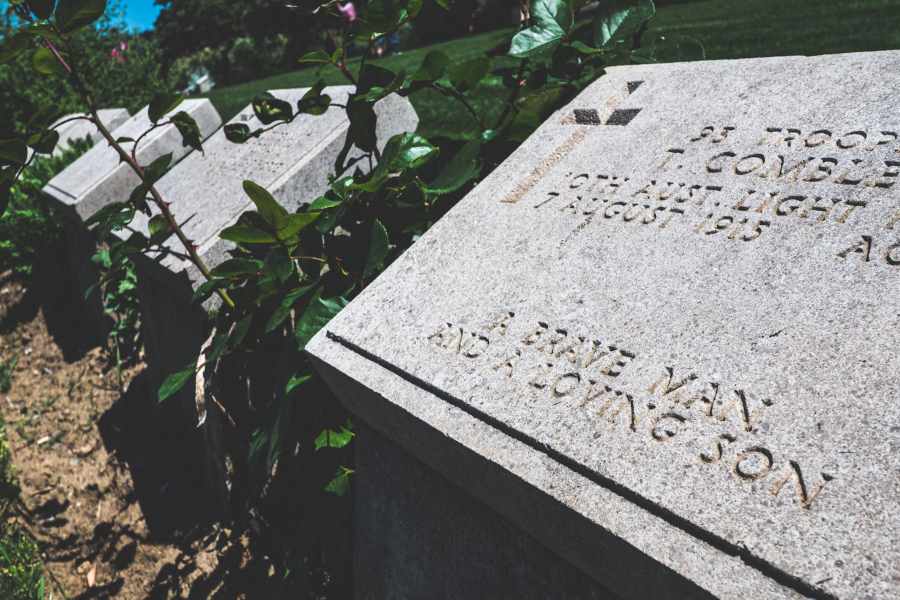
Losing someone you love changes the way you see ordinary things. A favourite song, a familiar flower or even a particular saying can suddenly carry enormous meaning. When it comes to creating a final resting place, these small details can help you honour the person behind the memories.
A memorial doesn’t need to be elaborate to feel special. Sometimes, a simple inscription or carefully chosen design says more than an expensive monument ever could. What matters is creating something that reflects your loved one’s personality, values and the life they lived.
There are many ways to make a gravesite feel personal while keeping it respectful and easy to maintain. From choosing meaningful Headstones to incorporating favourite flowers or symbolic decorations, thoughtful details can transform a traditional memorial into a lasting tribute.
Choose an Inscription That Reflects Their Personality
An inscription is one of the most personal elements of any memorial.
Names and dates are important, but a few additional words can capture something meaningful about a person’s life.
Think about expressions your loved one regularly used, values they held or qualities that made them memorable.
For example, someone known for their kindness might be remembered with a message about generosity and compassion.
If they had a wonderful sense of humour, a gentle, light-hearted phrase may feel more appropriate than a formal quotation.
Before finalising the wording, ask family members for their thoughts and carefully check spelling, names and dates.
Incorporate Meaningful Symbols and Designs
Symbols can communicate personal meaning without requiring lengthy explanations.
A musician might be remembered through a small musical motif, while someone who loved gardening could be honoured with a floral design.
Religious symbols, cultural patterns and illustrations representing favourite activities may also be appropriate.
Consider details such as:
- Flowers associated with special memories.
- Birds, butterflies or other meaningful imagery.
- Symbols reflecting faith or cultural traditions.
- Designs representing hobbies or interests.
- Simple decorative borders that complement the memorial.
Check the cemetery’s regulations before selecting decorative features, as some locations restrict particular materials, designs or dimensions.
Choose Flowers With Personal Significance
Flowers are a traditional way to remember someone, but they can also make a memorial more individual.
Rather than choosing arrangements solely for their appearance, consider varieties your loved one enjoyed.
Perhaps they grew roses in their garden, loved sunflowers or always kept fresh lilies at home.
If planting is permitted, choose suitable varieties that can tolerate local weather conditions without requiring constant attention.
For families who live far away, low-maintenance plants or occasional floral arrangements may be more practical.
Remember to check cemetery rules, as some facilities only allow flowers in designated containers.
Include a Photograph or Personal Message
A photograph can create a particularly meaningful connection for family members visiting a gravesite.
Some memorial designs allow for durable ceramic portraits or other weather-resistant photographic features.
These can help preserve a familiar smile or expression for future generations.
Another option is to include a short message written from the family’s perspective.
A few carefully chosen words can communicate love, gratitude or a cherished memory.
It’s worth considering how inscriptions and decorative elements will age, particularly when exposed to sunlight, moisture and changing weather conditions.
Create a Place for Quiet Reflection
A personalised memorial isn’t only about what visitors see. It’s also about how the space makes them feel.
Where cemetery regulations allow, small decorative elements can create a peaceful setting for remembrance.
This might include a modest flower arrangement, a meaningful ornament or a simple memorial vase.
Avoid overcrowding the space with decorations that could become difficult to maintain or interfere with neighbouring graves.
Sometimes, a carefully maintained memorial with one or two personal details creates a more peaceful atmosphere than an elaborate display.
Involve Family Members in the Decisions
Choosing memorial details can be emotionally challenging, particularly when family members have different preferences.
One person may favour a traditional design, while another wants something more contemporary.
Instead of rushing the process, invite close relatives to share memories and suggestions.
You might discover meaningful details that others remember differently, such as a favourite expression, special place or treasured family tradition.
These conversations can help create a tribute that reflects the person being remembered while giving family members an opportunity to contribute.
A Lasting Tribute to a Life Remembered
Personalising a loved one’s resting place isn’t about creating the most impressive memorial. It’s about choosing details that feel authentic to their life and meaningful to those who remember them.
A thoughtful inscription, familiar symbol or favourite flower can provide comfort long after the initial arrangements are complete.
Take your time, consider practical maintenance requirements and involve the people who knew your loved one best.
The most meaningful memorials often come from simple choices that preserve treasured memories and give future generations a place to remember someone special.
